

Learn to read vintage schematics!
This online course teaches beginners and experts to read old electronic schematic diagrams. These diagrams serve as road maps for circuits. Symbols point the way through thick tangles of wires and parts. They guide you just like highway signs lead drivers.
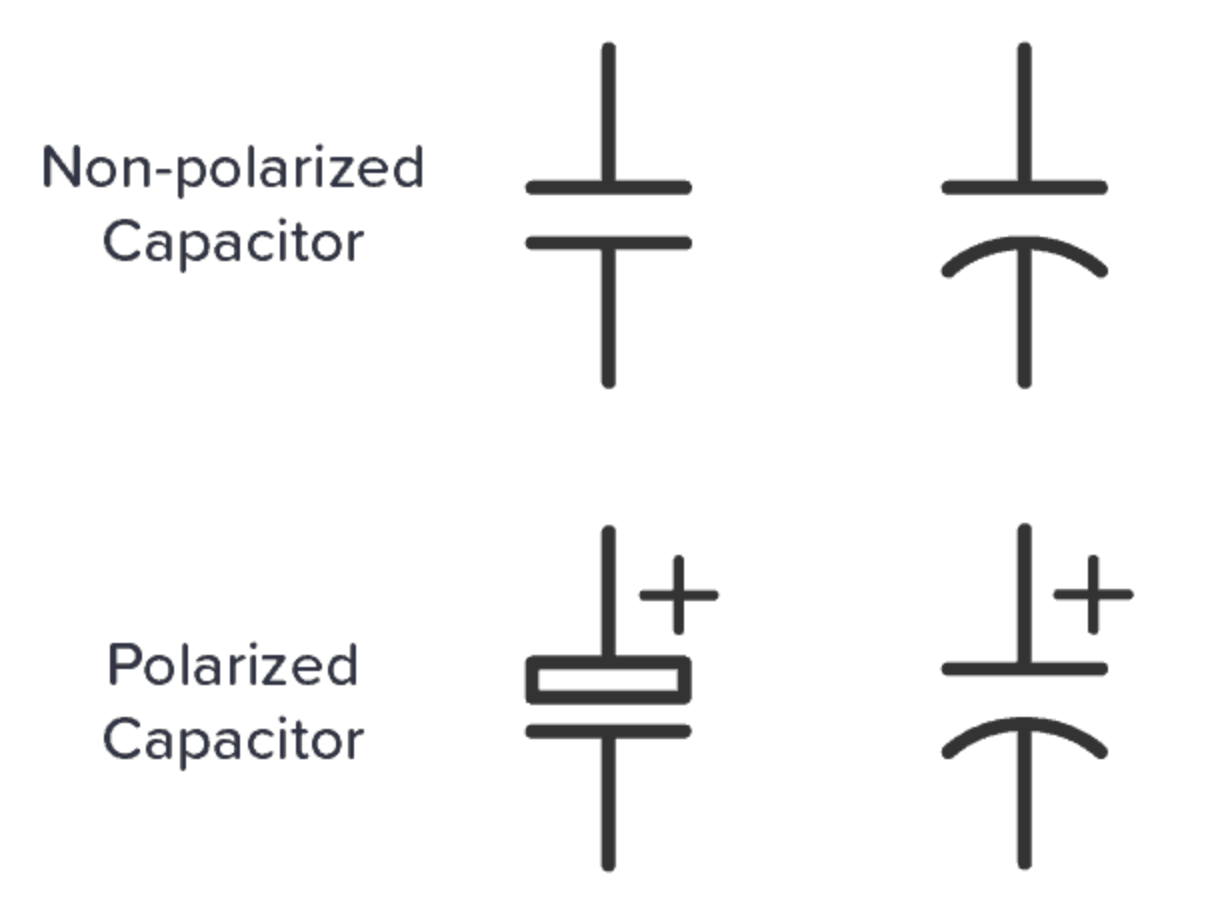
Road maps click for most people at a quick look. Schematics demand more. First, learn the basic parts. Resistors cut current flow. Think of them as narrow pipes that slow water. Capacitors hold electric charge. They act like tiny buckets that fill and empty fast. Transistors control signals. They work as switches or boosters for weak pulses. Once you know these, the symbols snap into focus.
The course fills that gap step by step. Lessons kick off with key concepts like voltage and current. They grow into real-world examples. Trace a signal in a classic radio receiver. Start at the antenna. It grabs radio waves from the air. Next, amplifiers pump up the faint signal. Filters then chop out static noise. The detector pulls audio free. Finally, the speaker blasts sound. Follow power lines in a simple amp too. See how batteries or transformers feed steady juice to tubes or transistors.
Many wonder why bother with old schematics. They drive vintage radios and amps from the 1950s and 1960s. Restorers need them to repair rare tube sets or guitar amps. Hobbyists get a rush from bringing dead gear back to life. These prints reveal hand-wired boards full of big parts, unlike tiny chips today.
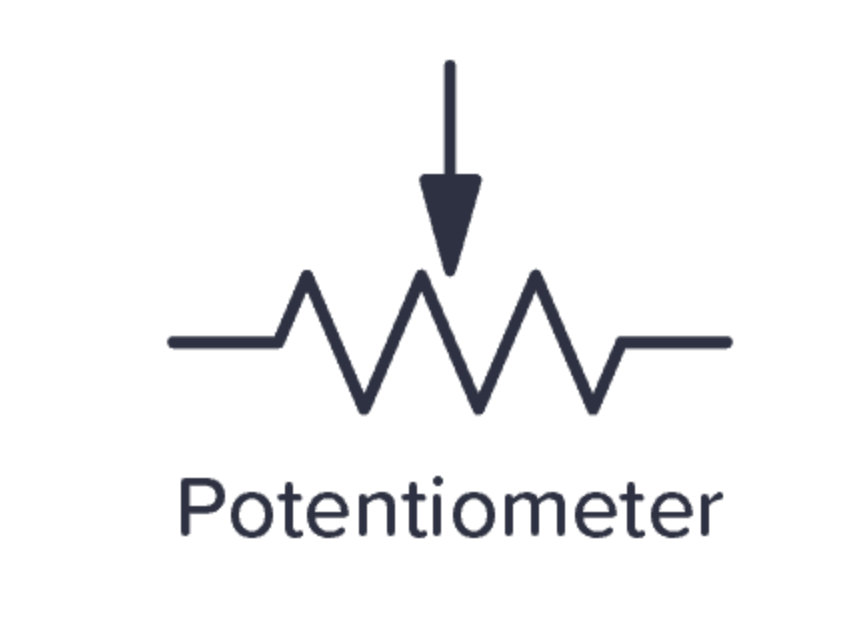
Each module blends book smarts with practice. Videos zoom in on symbols. One shows a resistor's zigzag line. Another breaks a capacitor's parallel bars. Quizzes check if you spot a transistor's arrow. You work on scans of true 1950s circuits, like a Hallicrafters receiver board.
By the end, you master it. Flat lines turn into living paths. Picture electrons dash through traces. Hunt bugs like a shorted cap or bad solder joint. Even build full circuits in your head from paper alone.
Master The Art Of Reading Vintage Schematics
“What a confidence boost! I took this prior to the ARRA Radio Repair Course and it was a great help.”
Jason Tube Radio collector“This stuff was out of this world to me; now I can speak alien. ”
Anonymous Student“Awesome online course. I have put in my request for a course version with modern components and was told it’s in the works. ”
AArchibald retired